You can remove an app in thirty seconds. Learning what to do when you feel rejected, overwhelmed, lonely, or emotionally shut down takes practice.
That is why stopping pornography as a coping mechanism requires two kinds of work. You need to interrupt access to the old response, and you need to build a response that meets the need underneath it.
Do not begin with a complicated explanation. Ask one direct question: What changed in the five minutes before I wanted pornography?
Maybe your body was tense after work. Maybe an argument left you feeling rejected. Maybe the house got quiet and loneliness became harder to ignore. Maybe you were simply bored and looking for stimulation.
Research on problematic pornography use has found associations with emotion regulation difficulties. One 2024 study found that men at risk for problematic use reported using spontaneous cognitive reappraisal less often, even though they could use it effectively when instructed. The study was small, so it should not be treated as a universal explanation. It does suggest that emotional responses can be practiced rather than assumed to be fixed.
A generic distraction may carry you through ten minutes. A matched response has a better chance of helping you recover.
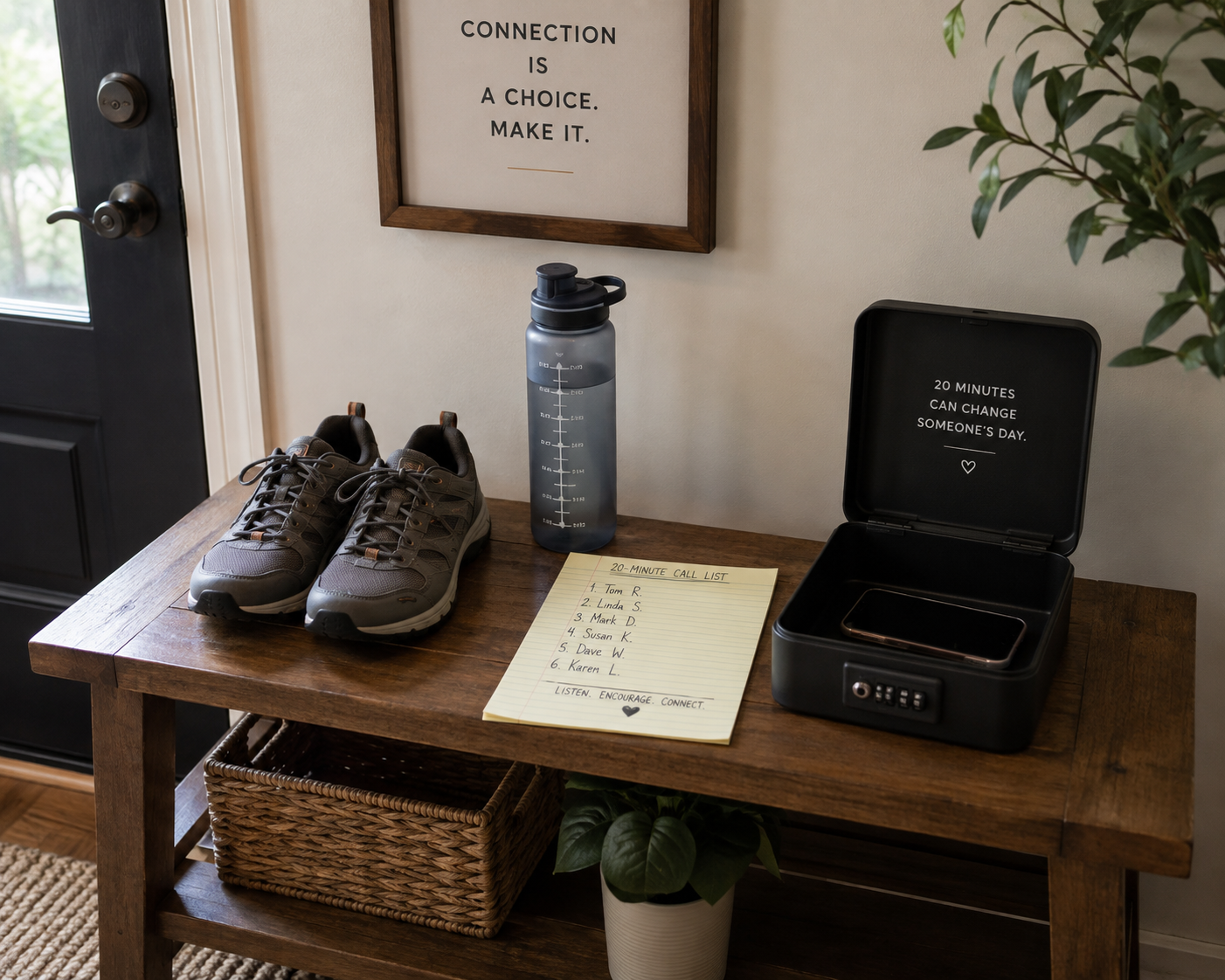
When an urge is strong, you need a plan you can follow without debating yourself. Write down a sequence such as:
This is not the whole recovery plan. It is the bridge that gets you from an automatic urge to a more deliberate choice.
Environmental changes matter because insight can disappear when you are tired or activated. Use device boundaries, accountability software, predictable routines, and limits around high-risk times. These tools create friction, but they do not replace emotional work.
If you keep returning to pornography under stress, study the specific stress pattern. If isolation is the driver, your plan needs regular connection before the urge appears. The broader relapse prevention plan should reflect your real sequence, not a list copied from someone else.
Coaching can help with structure, awareness, accountability, and practical follow-through. Therapy may be more appropriate when trauma, depression, anxiety, or another mental health concern needs clinical assessment or treatment. These roles can complement one another.
There is no fixed timeline. Progress often looks like noticing the cue sooner, reaching out before acting, and using healthier responses more consistently.
Review the hours before the behavior, including sleep, conflict, workload, hunger, isolation, and device use. Your first warning sign may appear earlier than the urge.
A coping pattern weakens when you repeatedly meet the same cue with a different response. You will not do that perfectly. You can do it honestly, review what failed, and keep strengthening the plan.
If you want help turning these ideas into a recovery system you can use in real life, schedule a Confidential Recovery Session with WSU.


© 2026 Sex & Porn Addiction Recovery Program - wellnessseekersultd.com. All Rights Reserved.