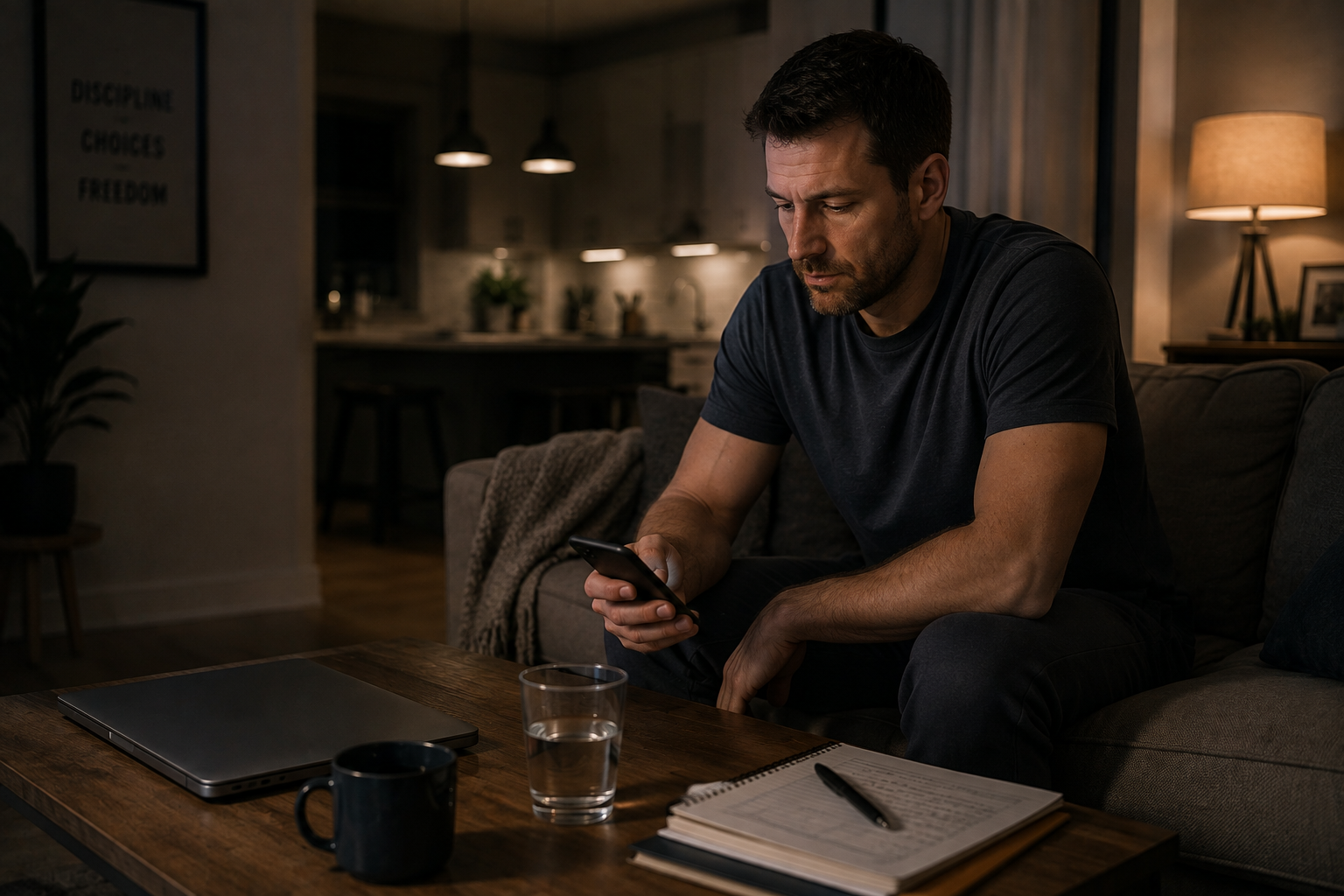
Yes, pornography can become a coping mechanism. A person may use it to change how he feels, escape what he does not want to feel, or create a few minutes of relief from stress, loneliness, boredom, rejection, or shame.
That does not mean every person who views pornography has a disorder. It means the behavior may be doing a job. If you only focus on removing pornography without understanding that job, the same pattern often finds another opening.
A coping mechanism is a response you use to manage discomfort. Some responses help you face the problem and recover. Others offer quick relief while leaving the original problem untouched.
Pornography can provide distraction, stimulation, fantasy, emotional numbing, or a temporary sense of control. The relief may be real. It is also usually short. When the stressor returns, the brain remembers the fastest route it found last time.
A systematic review of research on problematic pornography use identified coping styles, stress, avoidance, loneliness, and emotional difficulties among the factors associated with problematic use. These findings describe associations, not a single cause that applies to everyone.
The pattern often looks ordinary before it looks serious:
Eventually, the urge may feel automatic. That does not mean you have no choice. It means the choice is happening inside a practiced sequence that you need to slow down and understand.
Frequency alone does not tell the whole story. Pay attention to function, control, and consequences. Porn may be acting as a coping mechanism when you:
The World Health Organization classifies compulsive sexual behaviour disorder as an impulse control disorder in ICD-11. A diagnosis requires more than distress or moral conflict, and only a qualified clinician should diagnose it. You do not need a diagnosis, however, to take a recurring and harmful pattern seriously.
Removing access can help, especially early in recovery. But a blocker cannot teach you what to do with loneliness at 10 p.m. or how to respond after a painful conversation.
A stronger recovery plan helps you identify the emotional cue, interrupt the automatic sequence, choose a response that fits the actual need, and tell another person what is happening. That may involve a written relapse prevention plan, healthy accountability, coaching, peer support, or therapy when clinical care is appropriate.
At Wellness Seekers Unlimited, we treat the function of the behavior as useful information, not as an excuse. Understanding why you reached for pornography should make your next action more responsible, not less.
No. Motive alone does not establish a disorder. Look at loss of control, repetition, consequences, and whether the pattern has become difficult to change.
A short distraction can help you create space, but replacement works best when it addresses the real need. Stress may call for decompression, loneliness for connection, and shame for honest accountability.
If pornography has become your fastest way to change how you feel, recovery needs to give you more than a rule to stop. It needs to help you build better ways to respond.
If you are ready to examine the pattern and build a practical recovery structure, schedule a Confidential Recovery Session with WSU.


© 2026 Sex & Porn Addiction Recovery Program - wellnessseekersultd.com. All Rights Reserved.