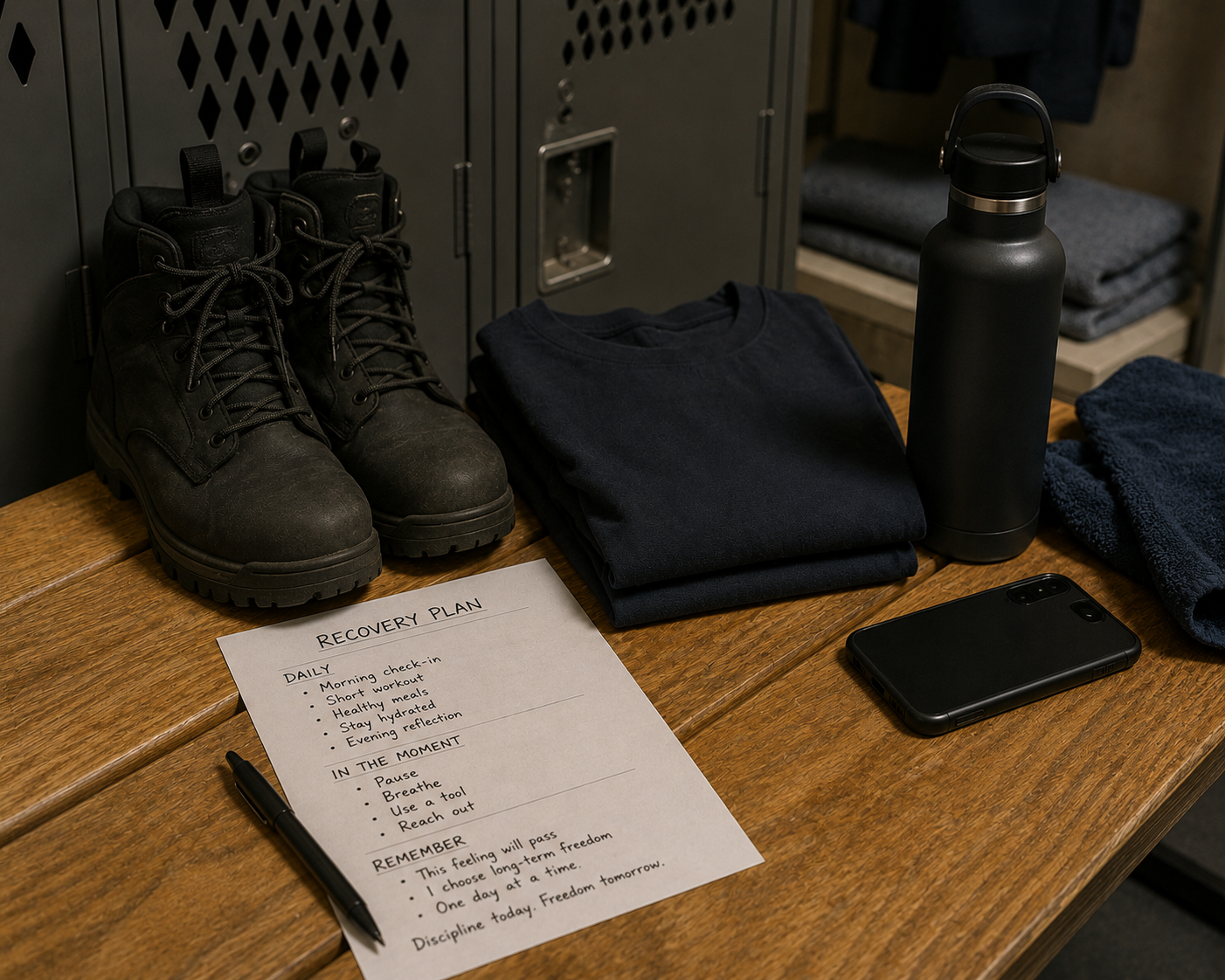
First responders are trained to move toward problems, make decisions quickly, and stay functional when other people are overwhelmed. Compulsive sexual behaviors or pornography use can feel especially confusing when it is the one problem you have not been able to contain.
You may be dependable at work and still return to the same private pattern after a difficult shift, during interrupted sleep, or when you are emotionally shut down. That contradiction does not remove your responsibility. It does show why a recovery plan needs to address more than access to pornography.
Firefighting, law enforcement, and emergency medical work do not automatically cause compulsive sexual behavior. Many first responders never develop this problem.
For someone who already uses pornography or engages in compulsive sexual behaviors to escape or regulate emotions, however, shift work, isolation, fatigue, relationship strain, or exposure to difficult events may become part of the pattern. The useful question is not whether the job is to blame. It is what happens inside you before you act out.
Many patterns become visible around transitions rather than during the most demanding part of a shift.
Pay attention to moments such as:
A trigger is not a command. It is information that helps you prepare a different response. This guide to porn addiction triggers can help you map the sequence more clearly.
A practical routine gives your body and mind a way to come down without immediately reaching for a screen.
Your routine might include:
The routine does not need to be elaborate. It needs to be realistic enough to use after a hard day.
A culture of competence can make it difficult to admit that something is out of control. You may fear judgment, gossip, or losing the way others see you.
Choose accountability thoughtfully. A trusted friend, mentor, sponsor, coach, therapist, peer-support resource, or another qualified person may be able to support honesty without turning the issue into station conversation.
No form of support can promise every outcome related to employment, reporting, or professional standing. Ask qualified sources about any rule that applies to your role.
Your partner may need honesty, boundaries, and evidence that your recovery is real. They should not have to carry routine responsibility for checking your devices or managing your sobriety.
Outside accountability can keep the work where it belongs while giving your partner room to focus on their own safety and support.
Coaching can help with structure, education, accountability, and daily recovery practices. It does not replace therapy, medical care, substance-use treatment, trauma treatment, crisis services, or emergency support when those are needed.
If you are experiencing thoughts of harming yourself or someone else, severe mental health symptoms, substance-related danger, or an immediate crisis, seek appropriate emergency or clinical help.
You already understand that reliable performance comes from training and procedure, not hoping you will make the right decision under pressure. Recovery works the same way.
If you are ready to build a practical plan for the hours outside your shift, you can schedule a Confidential Recovery Session to discuss coaching and accountability with WSU.


© 2026 Sex & Porn Addiction Recovery Program - wellnessseekersultd.com. All Rights Reserved.