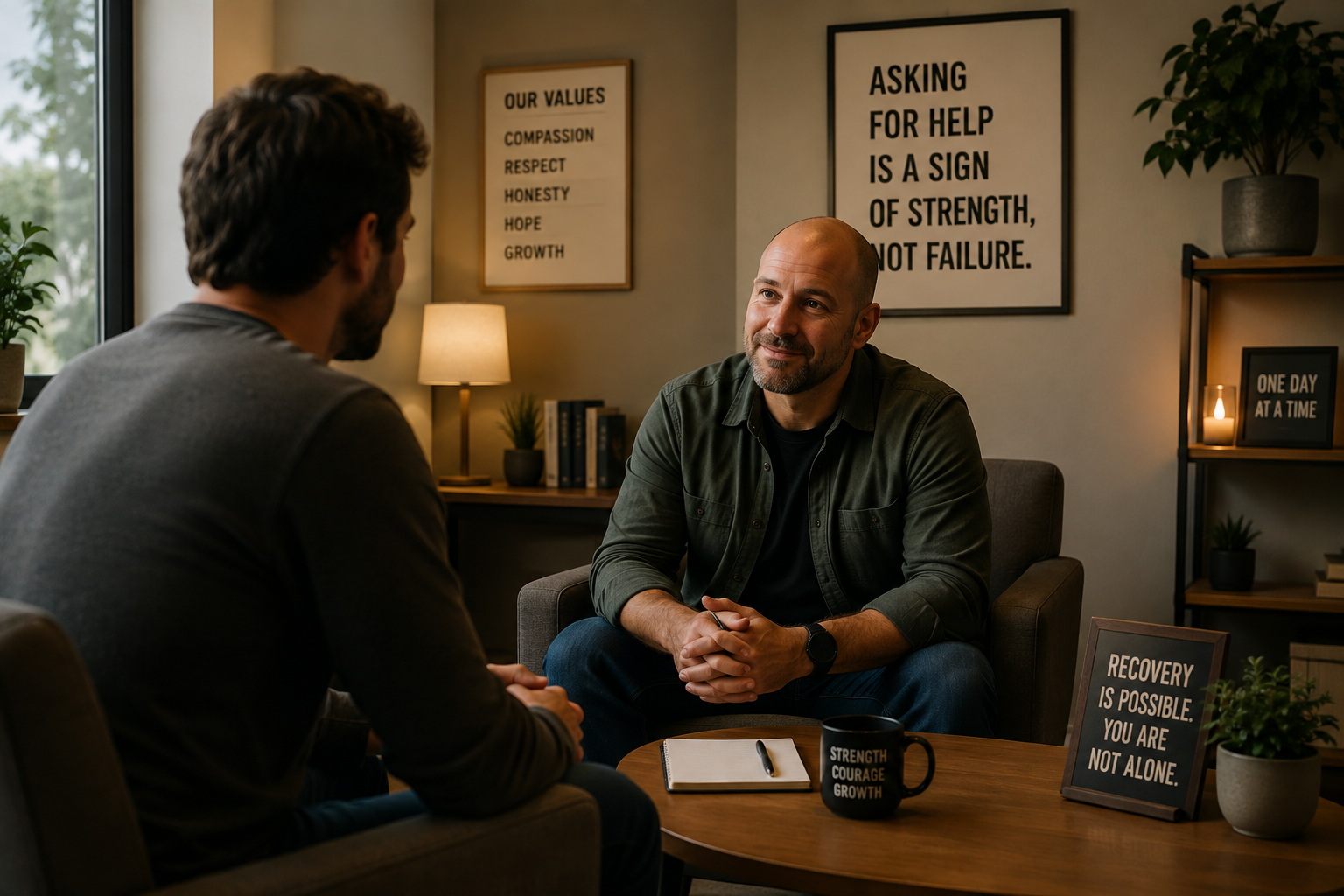
If you’ve started searching for porn addiction treatment, there’s a good chance you’ve already tried to quit on your own.
Maybe you’ve made promises you’ll never watch again. Maybe you’ve installed blockers, deleted accounts, or relied on willpower. It might have worked for a while, but somehow you ended up back where you started.
That cycle is frustrating, but it doesn’t mean you’re beyond help.
Effective porn addiction treatment isn’t about finding a quick fix. It’s about understanding why the behavior keeps returning and building a recovery plan that addresses more than the pornography itself.
Porn addiction treatment is any structured approach designed to help someone stop compulsive pornography use while creating lasting behavioral and emotional change.
The right treatment does more than help you stop watching porn. It helps you understand what’s driving the behavior in the first place.
For many men, pornography has become a way to cope with things like:
If those underlying issues never change, simply removing pornography often isn’t enough.
No.
The best treatment depends on your situation, how severe the behavior has become, and what type of support you’re willing to engage with.
Recovery isn’t one-size-fits-all.
Someone who has struggled for years despite repeated attempts to quit usually needs a different level of support than someone recognizing the problem early.
Some people begin recovery with books, podcasts, educational content, or online resources.
This can be a great starting point if the behavior is relatively new or mild.
The challenge is accountability.
Without someone else involved, it’s easy to drift back into old habits without realizing it.
An accountability partner provides encouragement, honesty, and consistency.
The right partner won’t shame you after a relapse. They’ll help you identify what happened and how to respond differently next time.
Many people find this is enough to make meaningful progress.
If you’re unsure what makes an effective accountability relationship, see our article on Accountability Partner for Porn Addiction.
A recovery coach provides structure, education, accountability, and practical tools.
Unlike therapy, coaching is generally focused on helping you build new behaviors, establish routines, recognize patterns, and stay engaged in recovery.
A coach can help you move from simply trying to stop pornography toward building a healthier life that no longer depends on it.
If you’re wondering whether coaching or therapy is the better fit, our article on Addiction Coach vs Therapist explains the differences.
For some people, therapy plays an important role in recovery.
This is especially true when compulsive pornography use is connected to trauma, depression, anxiety, or other mental health concerns.
A licensed therapist can help address those clinical issues while other recovery supports focus on daily behavioral change.
Many people benefit from combining therapy with coaching or accountability rather than choosing only one.
No matter which path you choose, strong porn addiction treatment usually includes several key pieces.
Recovery gets easier when you understand what consistently leads to acting out.
That might include:
Recognizing these patterns gives you opportunities to interrupt the cycle earlier.
Learn more in Porn Addiction Triggers.
Recovery isn’t built on motivation.
It’s built on consistent routines that help you make healthy decisions even on difficult days.
That often includes:
These habits strengthen recovery over time.
One of the biggest misconceptions about recovery is believing pornography is the primary problem.
In many cases, it’s actually become the solution to another problem.
That doesn’t excuse the behavior, but it changes how recovery works.
When you begin addressing loneliness, unresolved pain, stress, insecurity, or emotional avoidance, the pull toward pornography often becomes easier to understand and manage.
This is why lasting recovery is about far more than sobriety alone.
There isn’t a universal timeline.
Some people experience noticeable improvements within a few weeks.
For others, recovery takes months of consistently practicing new habits.
Progress is rarely perfectly linear.
Setbacks don’t erase the progress you’ve already made. They provide information about what still needs attention.
Our Porn Addiction Recovery Timeline article explains what many people experience during recovery.
Success isn’t measured only by how many days you’ve gone without pornography.
It’s also reflected in changes like:
Those changes often continue long after early sobriety begins.
If you’ve failed before, it’s understandable to wonder whether anything will actually work.
Many people searching for porn addiction treatment have already made dozens of sincere attempts to quit.
That doesn’t mean recovery is impossible.
It usually means the strategy wasn’t addressing the whole problem.
Healing happens when you combine accountability, practical habits, honest self-reflection, and support that helps you deal with both the behavior and what’s fueling it underneath.
You don’t have to figure that out alone.
If you’re ready for structured support, Wellness Seekers Unlimited offers recovery coaching designed to help men build lasting freedom through accountability, practical tools, and deeper personal growth. Schedule a Confidential Recovery Session today.
Yes. Many people recover through coaching, accountability, education, and structured recovery programs. Therapy may be beneficial when mental health conditions or trauma also need attention.
Recovery coaching is one form of treatment. It focuses on practical recovery skills, accountability, and behavior change rather than diagnosing or treating mental health conditions.
Repeated relapse doesn’t mean you’re incapable of recovery. It often means your current approach is missing an important piece, whether that’s accountability, structure, or addressing the underlying reasons you continue returning to pornography.


© 2026 Sex & Porn Addiction Recovery Program - wellnessseekersultd.com. All Rights Reserved.